

Cultural heritage · P07DGPA
PRA Archaeological Rescue Project
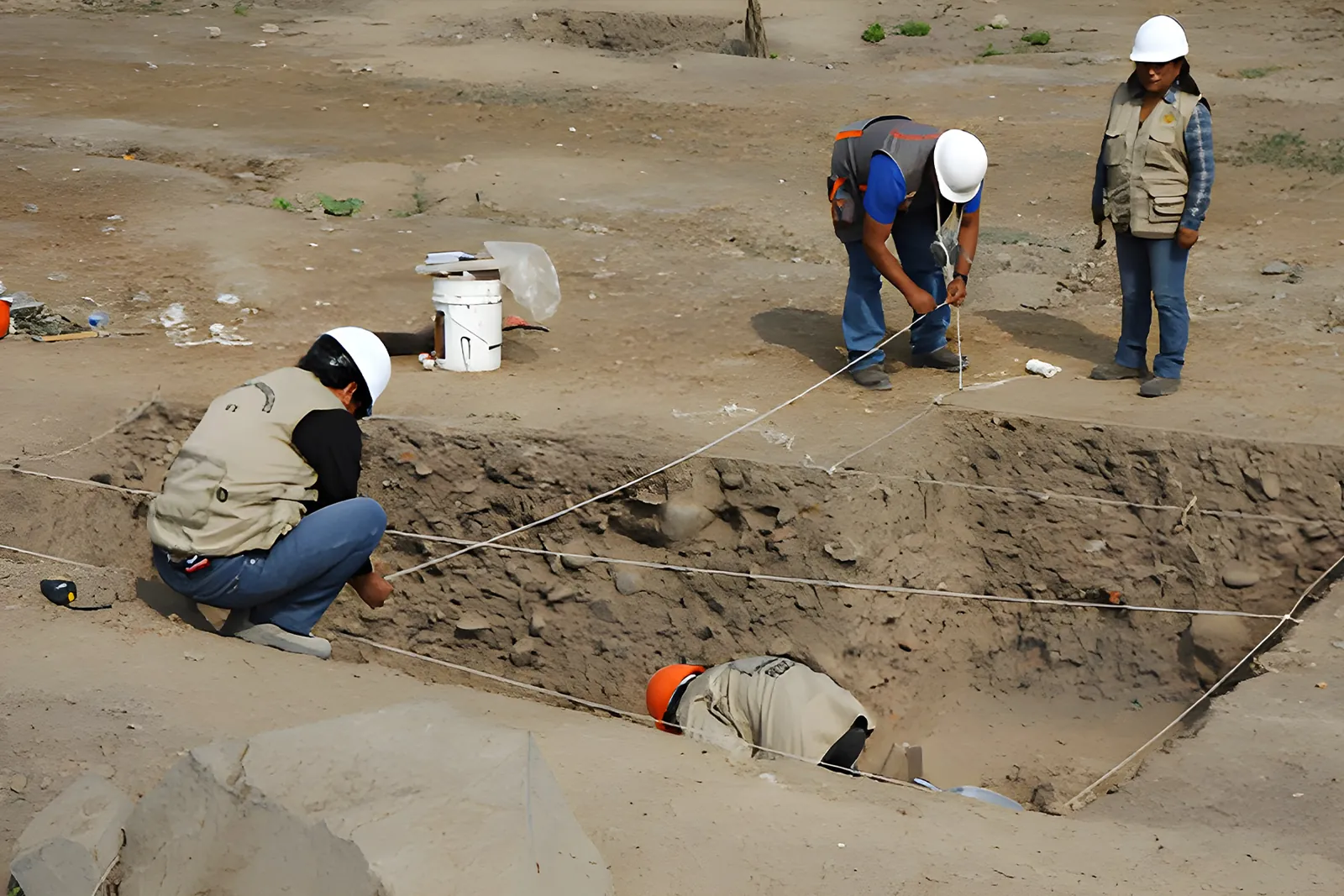
When an unavoidable work impacts one or more archaeological assets, the Archaeological Rescue Project (PRA) excavates, records and recovers the evidence of the area in an orderly and documented way.
- P07DGPA
- Ministry processing time: 30 business days (TUPA)
- Unavoidable work
What it is
What it is
It is the authorization, granted by Directoral Resolution, for the excavation, recording, recovery and restitution of pre-Hispanic or historical archaeological evidence in all or part of one or more immovable archaeological assets.
Read more
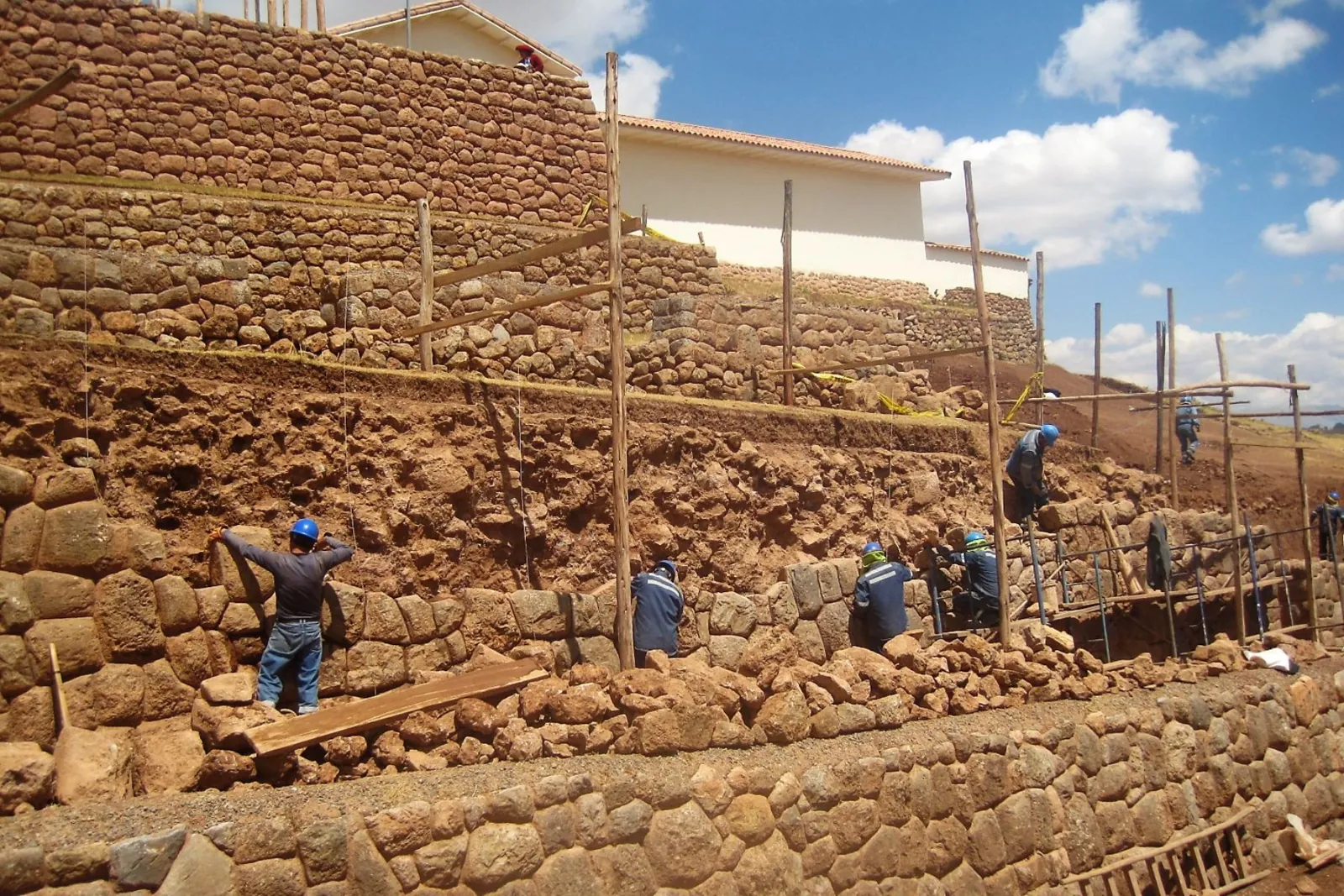
It is authorized when there is a work that impacts those assets and its unavoidable nature has been justified on technical grounds. Depending on the case, the work may have been declared of public necessity and utility by the Executive Branch.
At a glance
When
When your project needs it
- 01When the work will affect an area with evidence.
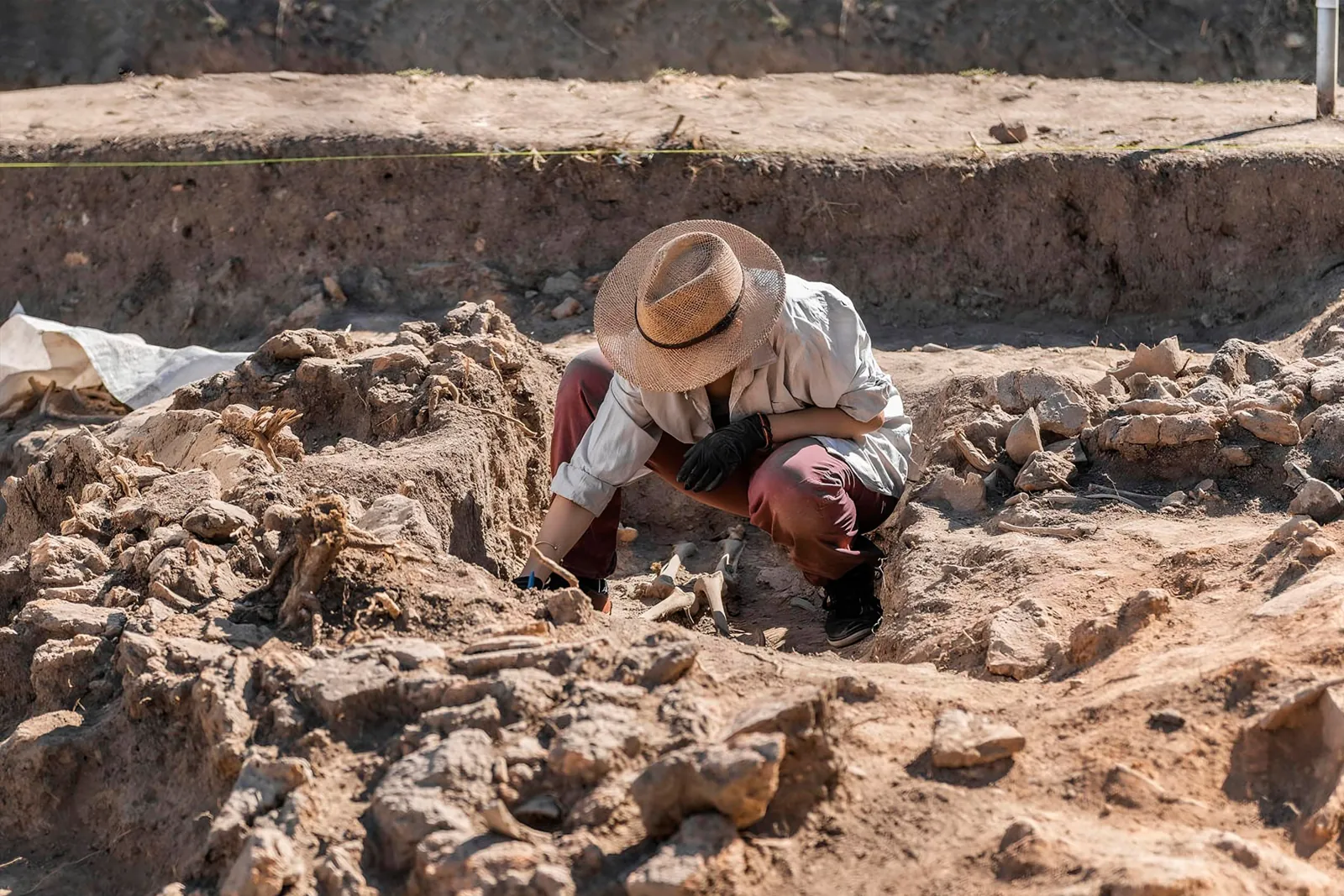
- 02When the Archaeological Evaluation Project (PEA) confirms evidence that the work cannot avoid.
- 03When evidence that must be rescued appears during an Archaeological Monitoring Plan (PMAR).
How we work
How we work, step by step
Choose a step to see what we do in it.
Authorization
We prepare the application, the technical information and the plans, and manage the authorization with the Ministry of Culture.
Delimitation
We delimit the area where the activity will take place.
Excavation
We excavate to recover the archaeological material.
Recording
We record the recovered material.
Report
We deliver the rescue report.
What you obtain
How it works, animated
When an unavoidable work impacts one or more archaeological assets, the Archaeological Rescue Project (PRA) excavates, records and recovers the evidence of the area in an orderly and documented way.
Requirements
What the Ministry of Culture requires
Summary of the TUPA requirements for this procedure. We help you prepare each one.
Application and sworn statements
- Application form with the applicant's details (if it is a company, signed by the legal representative, with RUC and registry entry).
- Sworn statements from the director and the project holder, with commitments to financing, to not affecting cultural heritage, and to publication.
- Document proving ownership of the area or of the investment project.
- Receipt number and payment date.
Technical information signed by the director
- Name, location and technical data of the intervention area.
- Document declaring the work to be of public necessity and interest, if applicable.
- Archaeological background (summary of the PEA) and technical description of the PRA.
- Field and office methodology, mitigation plan, research and conservation plan, and proposal for publishing the results.
- Staff, the director's experience in PEA and PRA, schedule and overall budget.
Engineering support
- Technical engineering document supporting the unavoidable nature of the work, endorsed by the relevant sector, if applicable.
Plans
- Plans of the intervention area in .dwg format, georeferenced in UTM, Datum WGS 84, signed by the competent professional.
If the PRA arises from a PMAR
- Preliminary diagnosis: description of the evidence, graphic, photographic and video record, delimitation plan, inspection report with the inspector's opinion, and assessment of the archaeological potential.
Plain-language summary of the TUPA requirements of the Ministry of Culture, R.M. N.° 000124-2025-MC (Ministerial Resolution), consulted on 24 October 2026. No fees are included. Check the current version on gob.pe before you apply.
What we deliver
What Laguitos Perú delivers
- The recovery and recording of the archaeological material from the area.
- A rescue report.
- The delimitation of the area intervened.
FAQ
Frequently asked questions
When does a PRA apply?
When a work impacts one or more immovable archaeological assets and it has been justified on technical grounds that the impact is unavoidable.
How long does the authorization last?
According to the TUPA, it is valid for the period set in the project. It can be extended for the same period, and the extension can be renewed for up to the same period granted.
Is a PEA always required first?
The technical information for the PRA includes the archaeological background (summary of the PEA). If evidence appears during a PMAR, the TUPA instead asks for a preliminary diagnosis.
 PEAArchaeological Evaluation Project
 PMARArchaeological Monitoring Plan
 Archaeological baseline survey
Contact
Does your project need an archaeological study?
Tell us the stage and the location. We will propose the study route and the team to carry it out.
- Mobile / WhatsApp+51 982 707 015
- Emailadministracion@laguitosperu.com
- AddressAv. CND Torres Kayser A 505
- HoursOffice: Monday to Friday, 8:00 AM to 5:00 PM · Online support: 24 hours