

Cultural heritage · P06DGPA
PEA Archaeological Evaluation Project
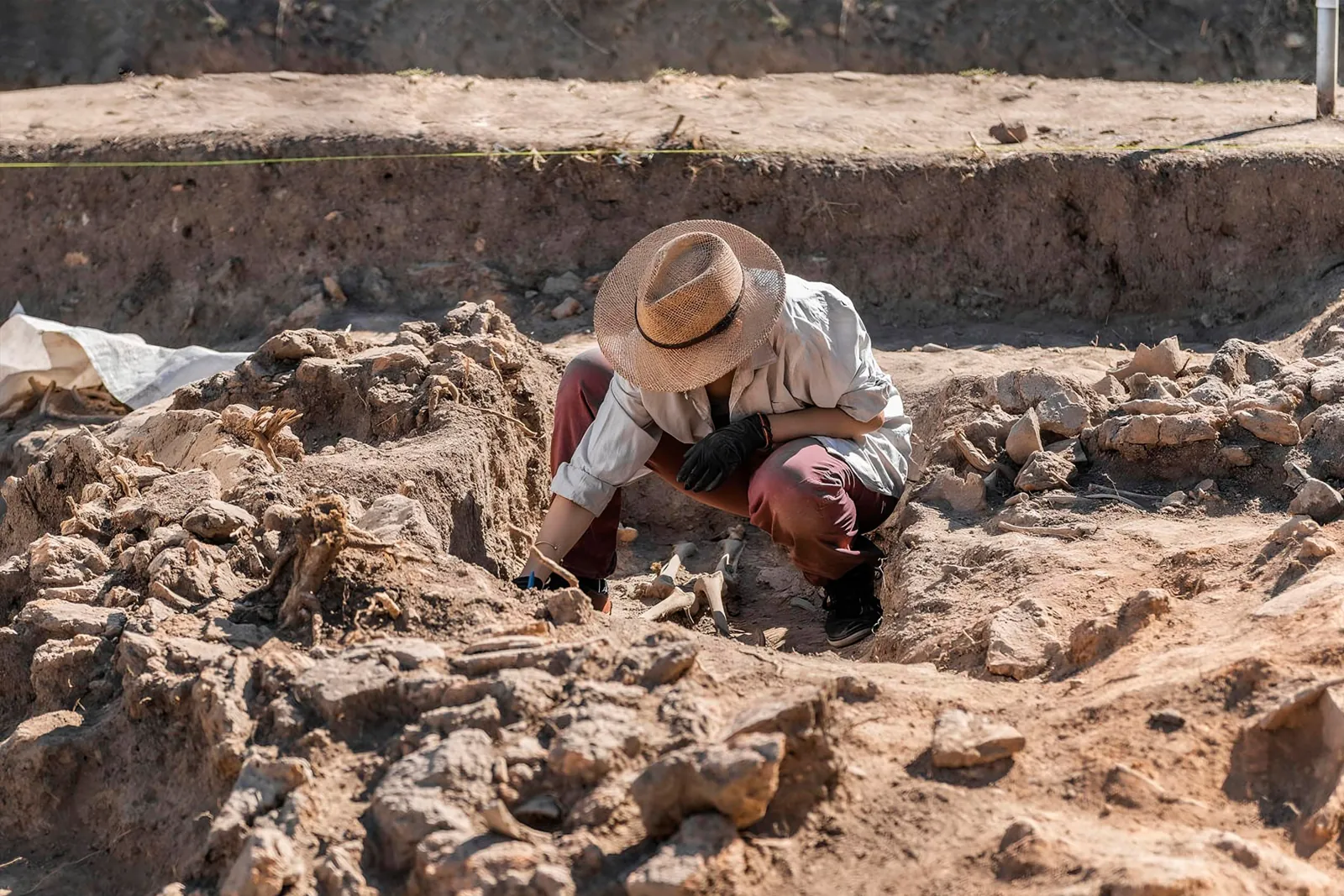
When there are signs of remains or the subsoil must be evaluated, the Archaeological Evaluation Project (PEA) identifies and delimits the archaeological assets of the area and defines the impacts and mitigation measures.
- P06DGPA
- Ministry processing time: 30 business days (TUPA)
- Valid for up to one year
What it is
What it is
It is the authorization of the Ministry of Culture, granted by Directoral Resolution, to carry out archaeological field survey and excavation within the area of a public or private investment project.
Read more
It serves to identify immovable pre-Hispanic assets and isolated archaeological elements, record them and establish their extent through delimitation, signage and physical demarcation. It includes restricted excavations for the purposes of delimitation, sampling, discard tests and potential assessment, and defines the impacts and mitigation measures.
Related reading: Archaeological Evaluation Projects (PEA) in Peru: what they are and why they are essential for heritage conservation (in Spanish)
At a glance
When
When your project needs it
- 01When there are signs of archaeological remains in the area.
- 02When the subsoil must be evaluated.
- 03As a step prior to the Archaeological Rescue Project (PRA), if it is necessary to confirm which evidence the works will affect.
How we work
How we work, step by step
Choose a step to see what we do in it.
Background
We review the background and signs of the area.
Authorization
We prepare the application and the technical information, and manage the authorization with the Ministry of Culture.
Field survey
We carry out the field survey.
Test pits
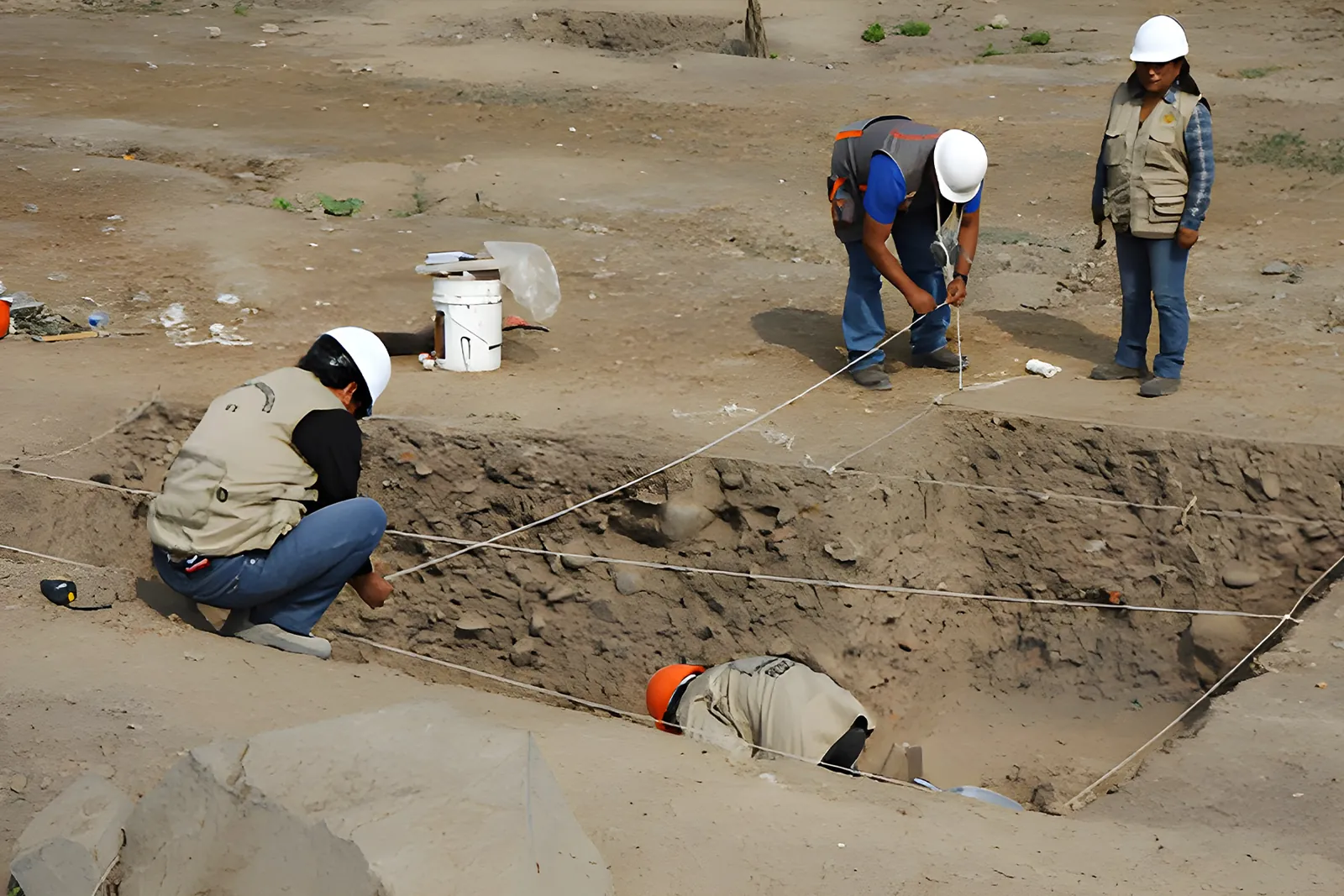
We dig test pits (restricted excavation units) at the defined points to identify, delimit and rule out evidence.
Record and report
We record the findings and deliver the report.
What you obtain
How it works, animated
When there are signs of remains or the subsoil must be evaluated, the Archaeological Evaluation Project (PEA) identifies and delimits the archaeological assets of the area and defines the impacts and mitigation measures.
Requirements
What the Ministry of Culture requires
Summary of the TUPA requirements for this procedure. We help you prepare each one.
Application and sworn statements
- Application form with the applicant's details (if it is a company, signed by the legal representative, with RUC and registry entry).
- Sworn statement from the project director, with their professional registration number and practice license number, and their commitment not to affect cultural heritage.
- Sworn statement from the project holder, with the commitment to financing and not to affect cultural heritage.
- Document proving ownership of the area or of the investment project.
- Receipt number and payment date.
Technical information signed by the director
- Name, location and extent of the project area, with its technical data table.
- Field and office methodology.
- Summarized technical description of the project.
- Staff, schedule and overall budget of the archaeological intervention.
Perimeter plan
- Plan of the intervention area in .dwg format, georeferenced in UTM, Datum WGS 84, with scales, title block and technical data table, signed by the competent professional.
Plain-language summary of the TUPA requirements of the Ministry of Culture, R.M. N.° 000124-2025-MC (Ministerial Resolution), consulted on 24 October 2026. No fees are included. Check the current version on gob.pe before you apply.
What we deliver
What Laguitos Perú delivers
- A report on the presence of pre-Hispanic archaeological assets and isolated elements in the area evaluated.
- The field records of the survey and of the test pits.
- The delimitation of the assets identified and the proposed mitigation measures.
FAQ
Frequently asked questions
How long is a PEA authorization valid?
According to the TUPA, it is valid for carrying out the work for a period of no more than one year. It can be extended for the same period, and the extension can be renewed for up to the same period granted.
When do I need a PEA rather than just an Archaeological Surface Diagnosis (DAS)?
The PEA is used when there are signs of archaeological remains or the subsoil must be evaluated. The DAS is a surface diagnosis that allows the use of land without prior authorization.
What happens after the PEA?
If the PEA confirms evidence that the work cannot avoid, the next instrument is the PRA.
 PRAArchaeological Rescue Project
 DASArchaeological Surface Diagnosis
 PMARArchaeological Monitoring Plan
Contact
Does your project need an archaeological study?
Tell us the stage and the location. We will propose the study route and the team to carry it out.
- Mobile / WhatsApp+51 982 707 015
- Emailadministracion@laguitosperu.com
- AddressAv. CND Torres Kayser A 505
- HoursOffice: Monday to Friday, 8:00 AM to 5:00 PM · Online support: 24 hours