


Cultural heritage · P02DGPA
CIRAS Certificate of Non-Existence of Archaeological Remains on the Surface
The official Ministry of Culture certificate confirming that an area has no archaeological evidence on the surface. We prepare the file and manage it with you.
- P02DGPA
- Ministry processing time: 20 business days (TUPA)
- Positive administrative silence
What it is
What it is
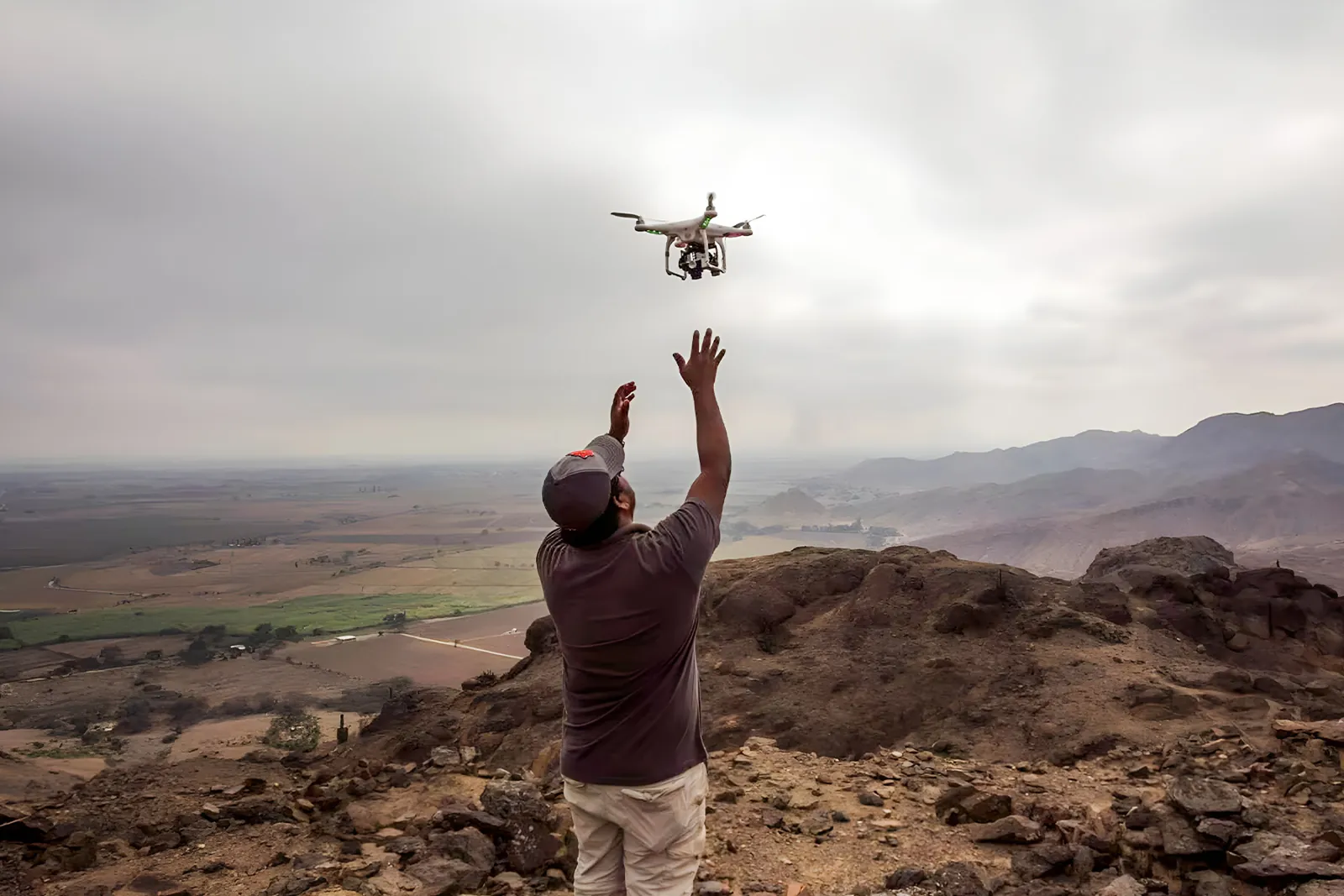
It is the Ministry of Culture procedure through which the Certificate of Non-Existence of Archaeological Remains on the Surface (CIRAS) is issued, confirming that no archaeological evidence exists on the surface of a given area.
Read more
It is verified in the field, through visual inspection or other means, to protect the Nation's cultural heritage. According to the TUPA, the certificate is not subject to renewal.
At a glance
When
When your project needs it
- 01Before carrying out works or activities on the property.
- 02When you need an official certificate that the area has no visible remains on the surface.
- 03If you prefer not to use an Archaeological Surface Diagnosis (DAS), the CIRAS is the Ministry's procedure.
How we work
How we work, step by step
Choose a step to see what we do in it.
Property review
We review the property and the planned activity.
Field verification
We verify in the field whether the area shows visible evidence on the surface.
File
We prepare the file with the descriptive report, the perimeter plan and the field record.
Procedure
We manage the procedure with the Ministry of Culture of Peru.
What you obtain
How it works, animated
The official Ministry of Culture certificate confirming that an area has no archaeological evidence on the surface. We prepare the file and manage it with you.
Requirements
What the Ministry of Culture requires
Summary of the TUPA requirements for this procedure. We help you prepare each one.
Application
- Application form (or a document with the same information) with the applicant's details. If it is a company, it is signed by the legal representative, together with the RUC and the property registry entry.
- Document proving ownership: registry entry, adjudication or concession resolution, or unique investment code. If the property is not registered with SUNARP, a copy of the deed, draft deed or contract, or the possession title.
- Receipt number and payment date.
Technical information
- Descriptive report of the area to be certified: project name, background of the land, type of work, location, technical description, access and boundaries, according to the guide for issuing the CIRAS.
Perimeter plan
- Plan of the area to be certified in .dwg format, georeferenced in UTM coordinates, Datum WGS 84, with scales, title block and technical data table, signed by the competent professional, in printed and digital versions.
- For linear works (roads, transmission lines, canals, pipelines), it is expressed in meters or kilometers, including the right-of-way; for properties and concessions, in m² or hectares, with their perimeter.
Plain-language summary of the TUPA requirements of the Ministry of Culture, R.M. N.° 000124-2025-MC (Ministerial Resolution), consulted on 24 October 2026. No fees are included. Check the current version on gob.pe before you apply.
What we deliver
What Laguitos Perú delivers
- The CIRAS file and support throughout the procedure until the Ministry of Culture issues the certificate.
- The descriptive report and the perimeter plan according to the CIRAS guide.
- The record of the surface verification carried out in the area.
FAQ
Frequently asked questions
How long does the Ministry take to issue the CIRAS?
Ministry processing time: 20 business days (TUPA), with positive administrative silence. It is a Ministry deadline, not Laguitos Perú's, and it may vary: check the current version on gob.pe.
Does the CIRAS expire?
No. According to the TUPA, it is not subject to renewal (indefinite).
Can I do a DAS instead of a CIRAS?
Yes. The DAS is the alternative to the CIRAS and does not require prior authorization. If it concludes that there are no remains, it has the same effects as a CIRAS.
 DASArchaeological Surface Diagnosis
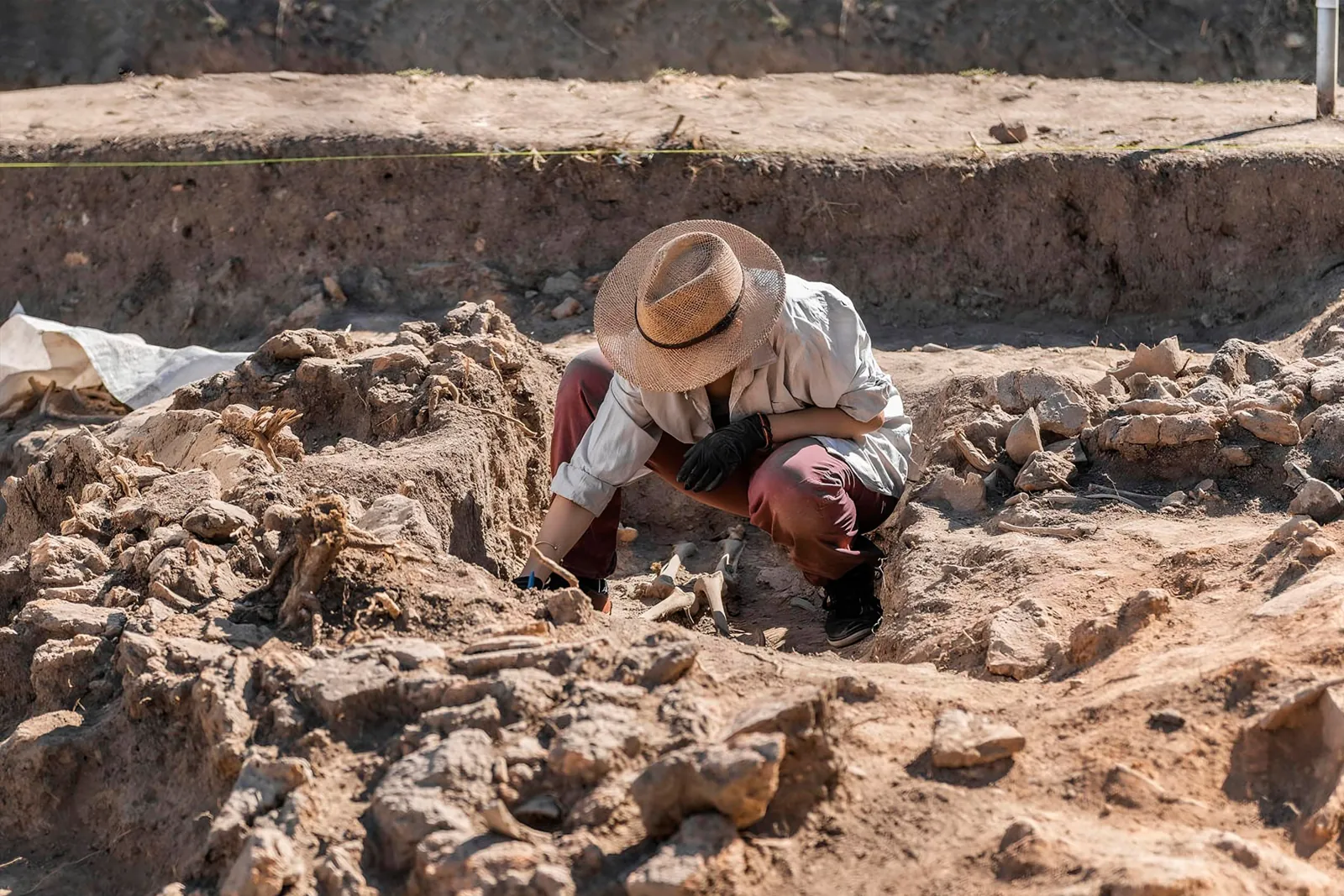 PEAArchaeological Evaluation Project
 PMARArchaeological Monitoring Plan
Contact
Does your project need an archaeological study?
Tell us the stage and the location. We will propose the study route and the team to carry it out.
- Mobile / WhatsApp+51 982 707 015
- Emailadministracion@laguitosperu.com
- AddressAv. CND Torres Kayser A 505
- HoursOffice: Monday to Friday, 8:00 AM to 5:00 PM · Online support: 24 hours