


Cultural heritage · Alternative to the CIRAS
DAS Archaeological Surface Diagnosis
Use a plot of land for your project without waiting for prior authorization from the Ministry of Culture. A registered, licensed archaeologist assesses the surface and signs the report.
- No prior authorization
- Outside the TUPA
- Same effects as a CIRAS if there are no remains
What it is
What it is
The Archaeological Surface Diagnosis (DAS) is an alternative measure to the Certificate of Non-Existence of Archaeological Remains on the Surface (CIRAS). It protects the Nation's cultural heritage and, at the same time, makes it easier to carry out public or private investment projects.
Read more
Any person or company that needs to use land for their project can carry it out without prior authorization from the Ministry of Culture. They only need to notify the start and submit the Results Report through the DAS Specialized Digital Platform.
The applicant chooses the archaeologist and defines the work area according to the needs of the project.
Legal basis: D. Leg. N.° 1680 (Legislative Decree, 2024) and D.S. N.° 004-2025-MC (Supreme Decree), which amends the Reglamento de Intervenciones Arqueológicas (Regulation on Archaeological Interventions), D.S. N.° 011-2022-MC (Supreme Decree), arts. 35-A to 35-F. Source: gob.pe, Ministry of Culture.
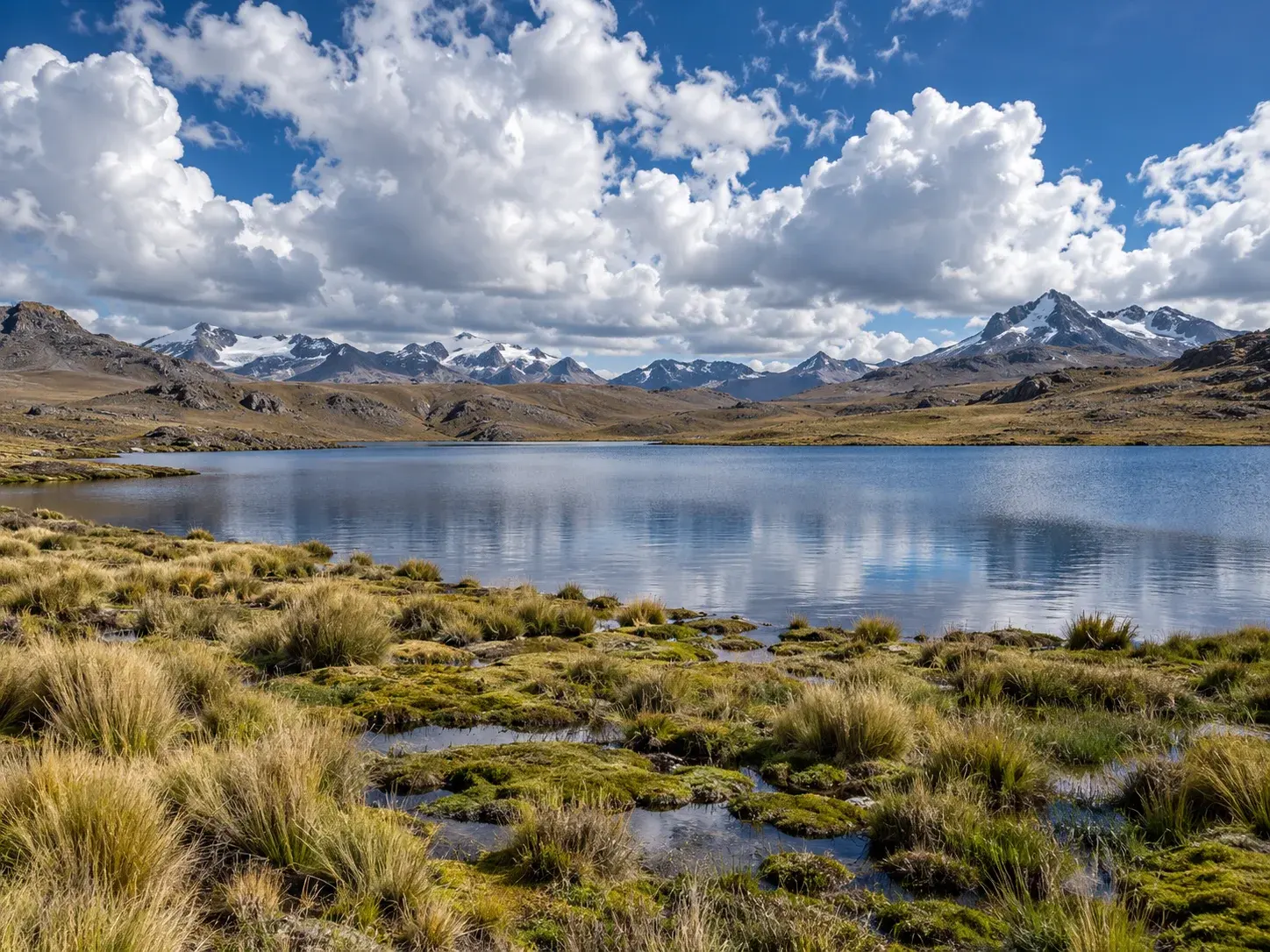
At a glance
When
When your project needs it
- 01When you need to use land for your project and want to avoid prior authorization from the Ministry.
- 02When evaluating a plot of land, before designing the project.
- 03For works such as roads, power lines, sewerage, drinking water or land titling.
How we work
How we work, step by step
Choose a step to see what we do in it.
Area review
We review the available information about the area and define the work area together with your project.
Notice of start
We guide you through the notice of start on the DAS Specialized Digital Platform.
Surface walkover
We walk the land and record what is observed on the surface.
Results report
We prepare the Results Report, signed by a registered and licensed archaeologist.
Submission through the Platform
We submit the Results Report through the DAS Platform. If archaeological sites are identified, they are added to the Geographic Information System of Archaeology (SIGDA).
What you obtain
How it works, animated
Use a plot of land for your project without waiting for prior authorization from the Ministry of Culture. A registered, licensed archaeologist assesses the surface and signs the report.
DAS or CIRAS: how they differ
Both confirm that there are no archaeological remains on the surface. This is how they differ:
| Aspect | DAS | CIRAS |
|---|---|---|
| Prior authorization | No | Yes, it is a Ministry procedure |
| Who issues it | Registered and licensed archaeologist | Ministry of Culture |
| Effect | If it concludes there are no remains, it has the same effects as a CIRAS | Certifies the non-existence of archaeological remains on the surface |
| Ministry processing time | Not applicable | 20 business days (TUPA) |
Benefits according to the Ministry of Culture
- Facilitates public and private investment while respecting pre-Hispanic cultural heritage.
- Does not require prior authorization from the Ministry of Culture.
- No minimum or maximum area restriction.
- If archaeological sites are identified, they are added to the SIGDA database.
What we deliver
What Laguitos Perú delivers
- A technical report with the diagnostic results, signed by a registered and licensed archaeologist.
- Support to notify the start and submit the report through the DAS Specialized Digital Platform.
- The record of what is observed during the surface walkover.
FAQ
Frequently asked questions
Do I need authorization from the Ministry to carry out a DAS?
No. You only notify the start and submit the Results Report through the DAS Specialized Digital Platform.
Who reviews the DAS information?
According to the Ministry of Culture, its Directorate of Cadastre and Physical-Legal Land Regularization monitors the start notifications and the receipt of the Results Reports.
What happens if the DAS finds archaeological sites?
The sites identified are added to the SIGDA database. The DAS has the effects of a CIRAS only when the result shows no remains; if sites are found, we propose the instrument that applies, for example a PEA.
Is there a minimum or maximum area?
No. The DAS has no minimum or maximum area restriction.
 CIRASCertificate of Non-Existence of Archaeological Remains on the Surface
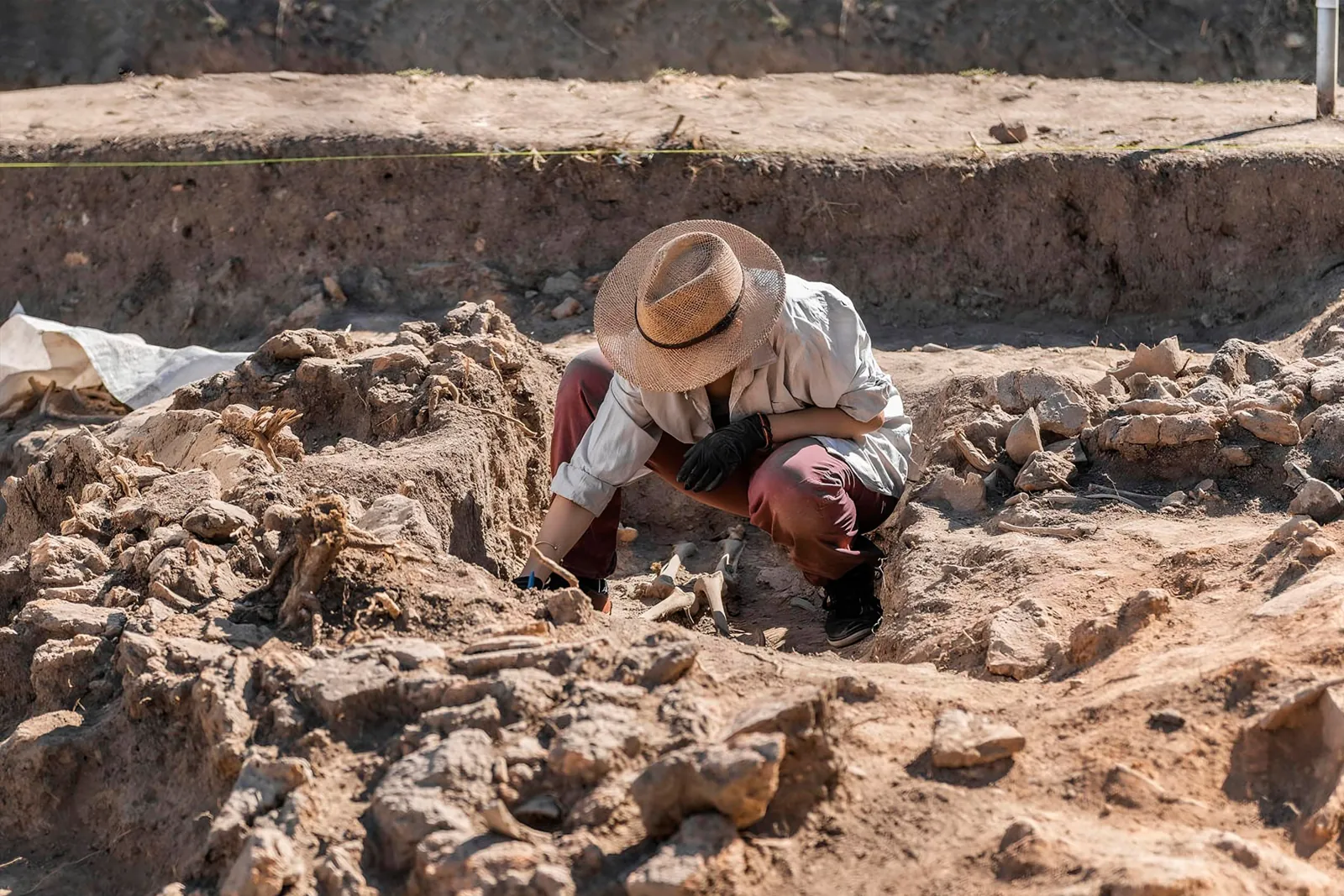 PEAArchaeological Evaluation Project
 Archaeological baseline survey
Contact
Does your project need an archaeological study?
Tell us the stage and the location. We will propose the study route and the team to carry it out.
- Mobile / WhatsApp+51 982 707 015
- Emailadministracion@laguitosperu.com
- AddressAv. CND Torres Kayser A 505
- HoursOffice: Monday to Friday, 8:00 AM to 5:00 PM · Online support: 24 hours